top of page

Chanson d'amour
Chanson d'Amour, composed by Gabriel Fauré in 1882, is a captivating French art song (mélodie) from his Opus 27. Set to a poem by Armand Silvestre, it beautifully captures the ecstasy of love with lyrics like "Every day I love you more." Fauré's elegant melody, accompanied by flowing piano, blends romantic lyricism with subtle impressionistic harmonies, showcasing his mastery of vocal music. Though imperfect as a live performance can be, I share with humility because of the l
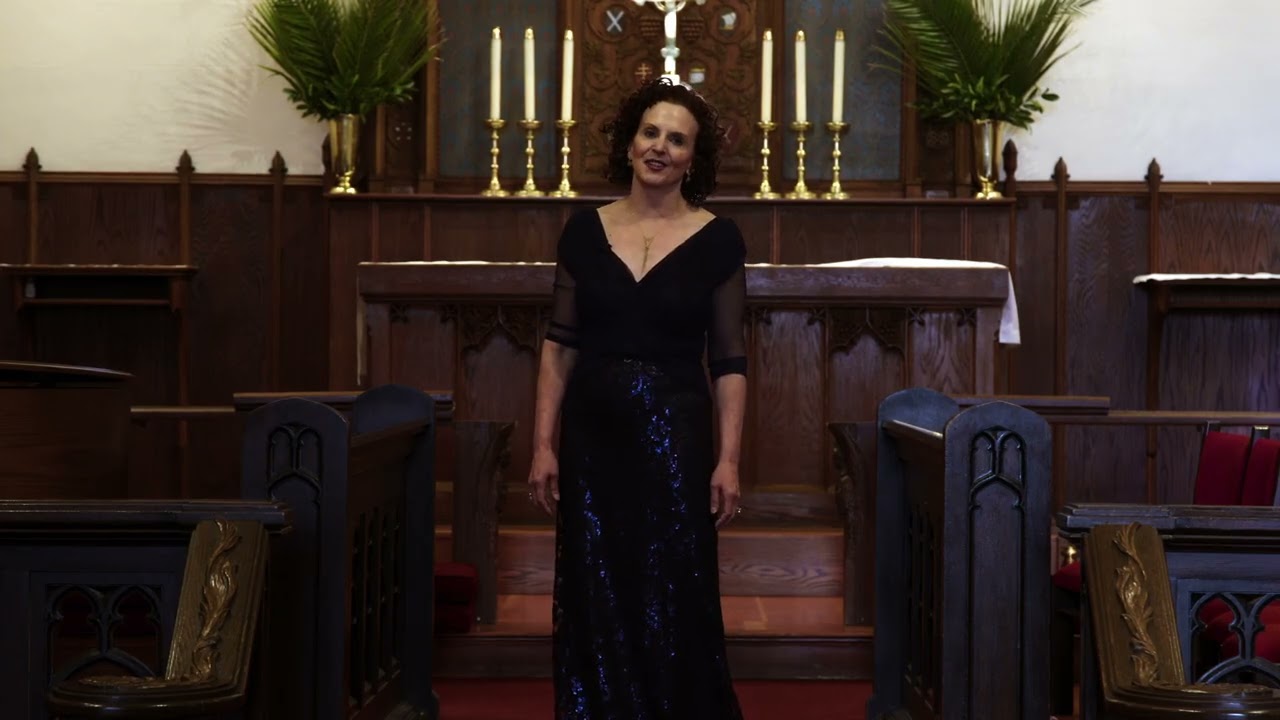
Blute nur, du liebes Herz! A Deep Dive into Bach's Masterpiece
Understanding the Emotional Depth of the Aria "Blute nur, du liebes Herz!" is a captivating soprano aria composed by Johann Sebastian Bach in 1727. This piece is part of his renowned St. Matthew Passion (BWV 244). It is sung by the character of Mary, who embodies profound maternal grief and anguish over her child's suffering. The lyrics, penned by Picander, draw deeply from the biblical narrative, enhancing the emotional weight of the piece. Bach's orchestration in this aria

Quia Rexpexit by J.S. Bach
For a large portion of my life, I have sung professional musical theatre, jazz, pop, and big band music. But I wanted to return to my roots in classical singing that began in high school and continued to my first paid position with the Sacramento Opera Company. I have not shared much of my classical singing on social media - it's time. Presenting J.S. Bach's Oratorio Magnificat in D major, BWV 243 This full version of "Quia Respexit," composed by Bach, is in the reverent key

Der Lindenbaum by Franz Schubert
A Deep Dive into the Song's Themes Franz Schubert's "Der Lindenbaum" is the fifth song in his 1827 cycle Winterreise , set to a poem by Wilhelm Müller. This piece captures the essence of a weary wanderer who encounters a linden tree. The tree evokes memories of happier times and lost love. Its rustling leaves seem to whisper an invitation to rest. The Symbolism of the Linden Tree The linden tree symbolizes comfort and nostalgia. As the traveler passes by, he is reminded of be

The Crucifixion
by Samuel Barber The Crucifixion, composed by Samuel Barber in 1953, is a hauntingly intimate song from his Hermit Songs cycle (Op. 29), set to an anonymous 12th-century Irish poem translated by Howard Mumford Jones. It poignantly depicts Mary's sorrow at the foot of the cross, with vivid imagery of a mother's grief amid divine sacrifice—lyrics evoke "the little Son of Mary" nailed to the tree. Barber's lyrical melody, supported by sparse yet evocative piano, blends modern to

Locus Iste, conducting
Michelle DeFrancesco is not only a talented singer but also a dedicated and prolific vocal music conductor. Her extensive education in...

Bewitched, jazz
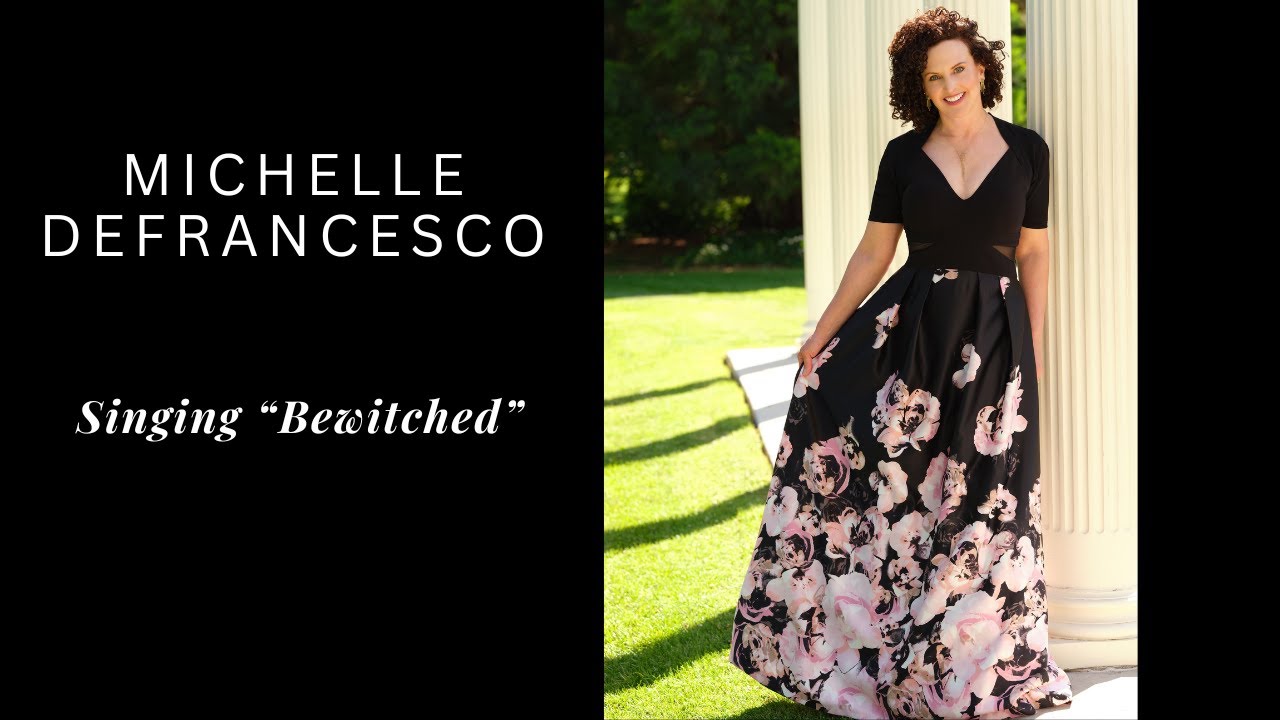
Michelle DeFrancesco’s performance of “Bewitched” with the Lake Effect Jazz Big Band is a celebration of jazz music’s enduring appeal....
Laudate Dominum, W.A. Mozart
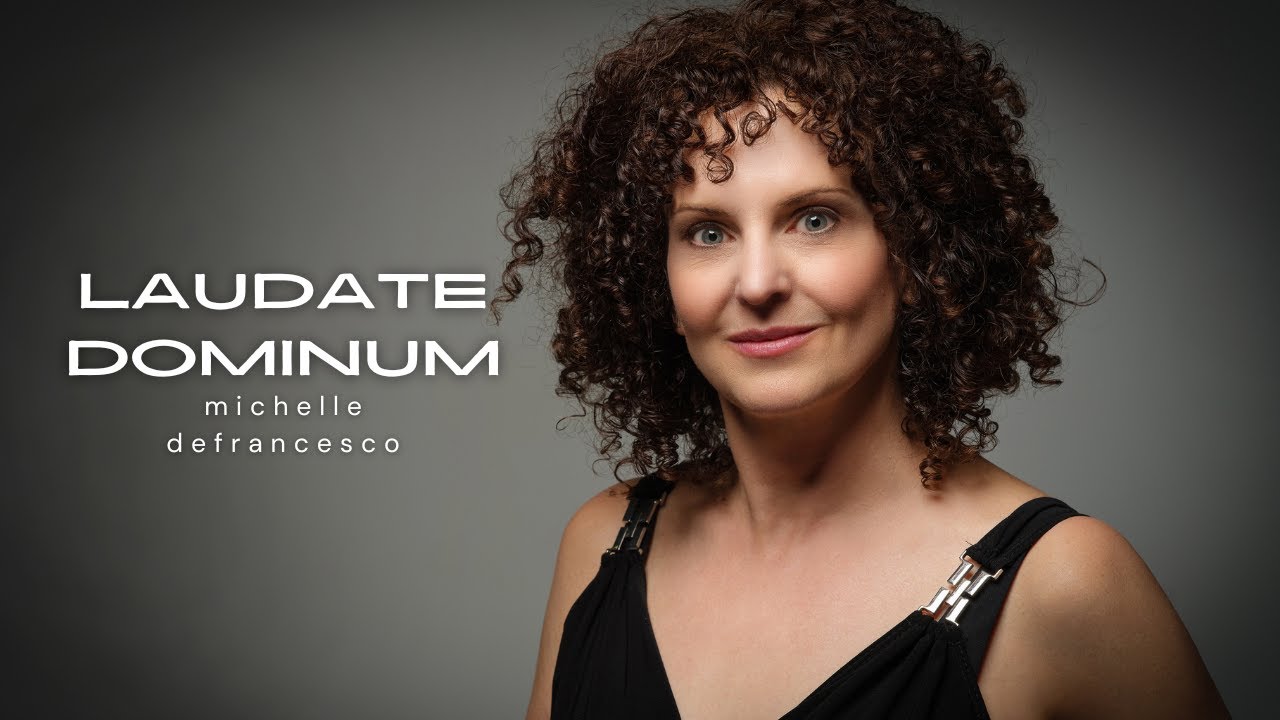
SETTING I n a tranquil rehearsal space, Dr. Michelle DeFrancesco is diligently preparing for her upcoming performance of “Laudate...
Music as Medicine: Harnessing the Healing Power of Sound in Music
In my recent discussions with students, we explored a fascinating concept: music as medicine. This idea intersects the disciplines of...

Benjamin Britten’s War Requiem: Bridging Music, History, and Humanity in the Choral Settings
In my recent class discussion, we delved into Benjamin Britten’s monumental War Requiem, a piece that offers profound insights into the...

Singing Myths 3, 2, 1...
#2 Some people cannot sing. False. After teaching for 25 years, it is my belief that everyone has the ability to sing, but it is not...


Singing myths - 3, 2, 1...
#3 - Singing is easy. While singing may come naturally, singing well in any style requires exceptional training. Singing is a physical...


bottom of page